If you want to sell your Macomb home for a strong price without wasting time, a generic plan is not enough. Buyers in today’s market are paying close attention to price, condition, and presentation, and small missteps can cost you showings or leverage. The good news is that a local market plan can help you focus on what matters most in Macomb, avoid delays, and launch with confidence. Let’s dive in.
Why a local market plan matters
Macomb is active, but it is not a market where every home can simply hit the market and expect instant results. Realtor.com’s May 2026 snapshot for Macomb Township shows 409 homes for sale, a median listing price of $534,949, a median sold price of $478,687, a median 30 days on market, and a 100% sale-to-list ratio.
Those numbers tell an important story. Homes are still moving, and many are selling close to asking, but buyers are comparing options carefully. That means your pricing, prep work, and launch strategy need to match your specific area and property, not just broad market headlines.
Countywide numbers also show why local detail matters. Redfin reports a Macomb County median sale price of $284,148 over the three months ending May 2026, while Realtor.com reports about 3.5K homes for sale in the county and a 99% sale-to-list ratio. Because township and county medians look very different, your plan should rely on neighborhood-level comparable sales instead of county averages.
Start with pricing from local comps
Pricing is the foundation of your sale. If you price too high, you may lose the first wave of buyer interest, which is often when your listing gets the most attention. If you price accurately from the start, you give yourself a better chance to attract serious buyers quickly.
In Macomb, buyers are still sensitive to affordability. Realtor.com’s 2026 housing forecast expects mortgage rates to average 6.3% in 2026, and Freddie Mac reported a 30-year fixed average of 6.47% on June 18, 2026. Even when buyers like a home, their monthly payment can shape what they are willing to offer.
That is why a local market plan should look beyond square footage and bed-bath count. You want to compare your home to recent nearby sales with similar condition, updates, lot characteristics, and style. In a market where homes can still sell near asking, overreaching on price can make your home less competitive than you expect.
What smart pricing should consider
A focused pricing strategy should account for:
- Recent comparable sales in your immediate area
- Active competition that buyers will see online today
- Your home’s condition and update level
- Lot size, layout, and curb appeal
- Buyer affordability based on current mortgage rates
Make condition part of the strategy
Condition matters in every market, but it carries extra weight in an area where much of the housing stock is older and mostly detached single-family homes. Macomb County’s 2023 fair housing analysis says 83.4% of owner-occupied units are single-family detached, and more than 43% of the county’s housing units had already reached a 50-year life span.
For you as a seller, that means buyers may pay close attention to maintenance and systems. If they see signs of deferred upkeep, they may worry about larger costs after closing. A home that feels cared for can help build confidence before an offer is even written.
You do not need to renovate everything. Instead, focus first on visible issues and core systems that affect buyer trust.
Repairs worth handling before you list
Prioritize items such as:
- Roof concerns or active leaks
- HVAC issues or neglected maintenance
- Plumbing leaks or signs of water damage
- Electrical problems or outdated visible fixtures
- Broken appliances
- Cosmetic wear like chipped paint, stained carpet, or damaged trim
Realtor.com’s 2026 guidance for sellers also notes that obvious defects such as leaks, broken appliances, infestations, and cosmetic wear should be fixed before listing. In a balanced market, these details can shape both your days on market and your negotiating position.
Boost appeal with staging and media
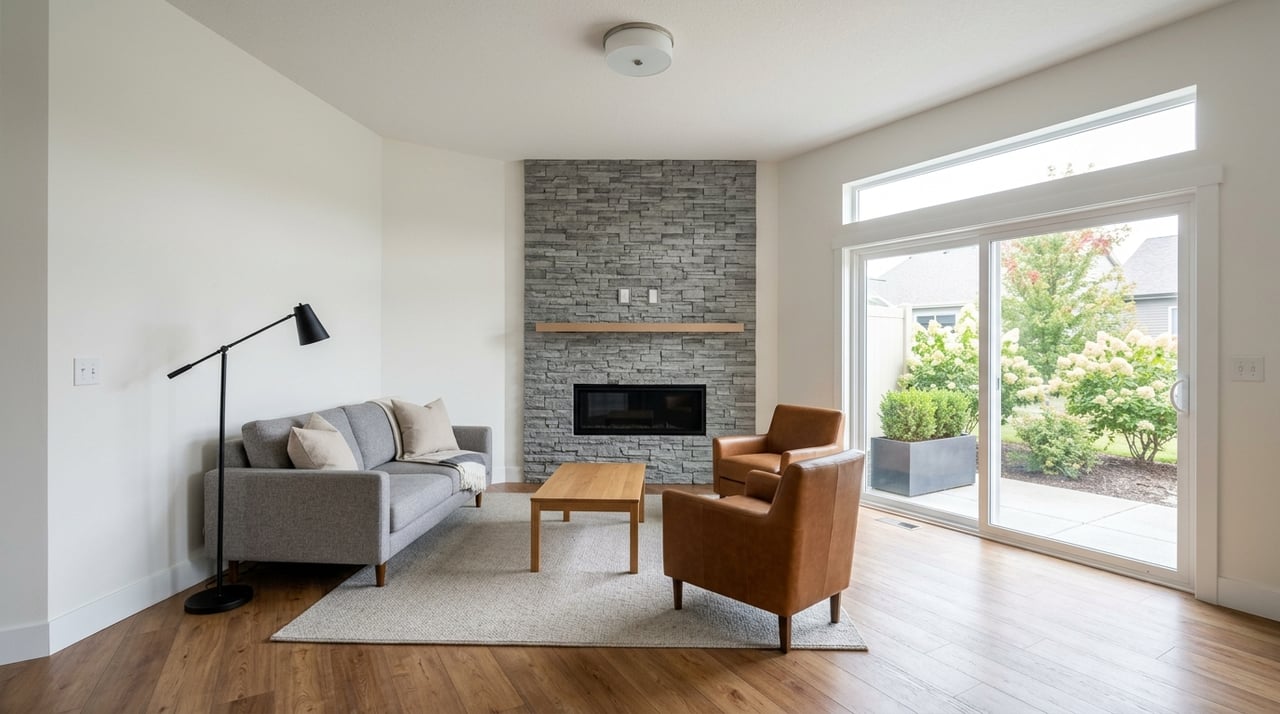
Once pricing and condition are in place, presentation becomes your next advantage. In a largely owner-occupied community like Macomb Township, buyers often want a home that feels move-in ready. The way your home looks online and in person can influence whether buyers book a showing or keep scrolling.
There is strong evidence behind staging. In the 2025 Profile of Home Staging, 83% of buyers’ agents said staging makes it easier for buyers to visualize a property as their future home. The same report found that 49% of sellers’ agents said staging reduced time on market, and 29% said it increased the dollar value offered by 1% to 10%.
That does not mean every home needs full-scale redesign. It does mean you should aim for clean, bright, uncluttered spaces that photograph well and feel easy to imagine living in.
Listing presentation that can help your sale
Buyers’ agents in the same staging report rated these listing components as highly important:
- Photos
- Physical staging
- Videos
- Virtual tours
A local market plan should treat marketing as more than just putting a home in the MLS. Strong visuals, thoughtful room setup, and a polished first impression can support your asking price and increase showing activity.
Handle Michigan disclosures early
One of the easiest ways to create stress is to treat paperwork like an afterthought. In Michigan, the Seller Disclosure Act applies to transfers of 1 to 4 residential dwelling units, and the required form is intended to disclose the condition of the property known by the seller.
For you, that means disclosure should be part of your pre-listing plan, not something left for the last minute. Completing it early gives you time to gather details, think through known issues, and avoid rushed decisions once a buyer is involved.
Early disclosure planning can also help you spot questions that deserve attention before launch. If there is a known repair history, system issue, or property feature that needs clarification, it is better to address it upfront than scramble later in the process.
Check septic and well requirements
If your property uses a private well or septic system, Macomb County has a specific property-transfer process you need to know about. The county requires a property-transfer evaluation before closing.
According to Macomb County, the evaluation report must be submitted at least five days before closing, and the evaluation is valid for one year. The county also says septic tanks should not be pumped within 30 days before the evaluation because that can delay the process.
If an evaluation does not pass, the sale does not automatically stop. Macomb County says a corrective action plan and escrow may allow the transfer to continue. The key is timing, because waiting too long to start this process can create avoidable closing pressure.
Septic and well planning tips
If your home has a private system, plan to:
- Confirm whether a county transfer evaluation is required
- Schedule the evaluation early in the selling process
- Avoid pumping the septic tank within 30 days before the evaluation
- Review results quickly so you can plan next steps if needed
Know your likely seller costs
Pricing your home is only part of the financial picture. You also need a realistic view of your net proceeds so you can make good decisions about repairs, negotiation room, and your next move.
One cost to remember is transfer tax. Macomb County states that Michigan real estate transfer tax is collected on the deed, that the tax is upon the seller or grantor, and that documentary stamps are purchased in the county where the property is located.
This is another reason a local market plan matters. When you understand likely costs upfront, you can weigh offers more clearly and avoid surprises near closing.
Build a fast launch and response plan
In Macomb Township, the median time on market was 30 days in May 2026, and county figures also point to homes moving relatively quickly when priced well. That does not mean every home sells instantly. It does mean your first days on market are important.
A strong launch includes accurate pricing, polished presentation, completed disclosures, and a clear showing plan. Just as important, you need a fast response process once inquiries and showing requests begin. Quick follow-through helps you keep momentum while buyer interest is fresh.
A practical Macomb selling plan
If you want a simple roadmap, focus on these five steps:
- Price from neighborhood-level comps, not broad county averages.
- Fix visible defects and address key systems.
- Improve presentation with staging and professional listing media.
- Complete disclosures early and handle septic or well requirements if they apply.
- Launch with a plan to respond quickly to showings, questions, and offers.
Timing matters, but condition matters more
If you have flexibility, you may wonder when to list. Realtor.com’s 2026 guidance identified the week of April 12 to 18 as the best national window to sell, but it also says spring is not automatically best in every market and that local economy and mortgage rates matter.
That is the right mindset for Macomb sellers too. A perfect calendar week will not make up for weak presentation, skipped repairs, or unrealistic pricing. If your home is well prepared and well positioned, you give yourself a better chance to stand out whenever you list.
Selling your home is a big move, and the right plan can make it feel far more manageable. If you want local guidance on pricing, prep, and a launch strategy built for your part of Macomb, Joseph Sinishtaj can help you put together a practical plan and move with confidence.
FAQs
How should you price a home in Macomb, MI?
- Price your home using recent neighborhood-level comparable sales, current competition, your home’s condition, and today’s buyer affordability, rather than relying on broad county averages.
Which repairs should you make before selling a Macomb home?
- Focus first on visible defects and major confidence items such as roof issues, HVAC concerns, plumbing leaks, electrical problems, broken appliances, and cosmetic wear.
Is staging worth it when selling a home in Macomb?
- Staging can be worth it because the 2025 Profile of Home Staging found that it helps buyers visualize the home, may reduce time on market, and can improve offer strength.
What disclosures are required when selling a home in Michigan?
- Michigan’s Seller Disclosure Act applies to transfers of 1 to 4 residential dwelling units and requires sellers to disclose the known condition of the property on the state form.
Do you need a septic or well inspection to sell a home in Macomb County?
- If your property has a private well or septic system, Macomb County requires a property-transfer evaluation before closing.
What closing costs should sellers expect in Macomb County?
- One important seller cost is Michigan real estate transfer tax, which Macomb County says is collected on the deed and is the responsibility of the seller or grantor.
When is the best time to list a home in Macomb, MI?
- If you have flexibility, spring can be favorable, but the better priority is listing when your home is properly priced, repaired, and presented for the local market.