Buying your first home in Utica can feel exciting right up until the details start piling up. You may be wondering how fast homes move, what kind of property fits your budget, and what happens between your online search and closing day. The good news is that with the right plan, you can move through the process with more confidence and fewer surprises. Let’s dive in.
Understand the Utica market
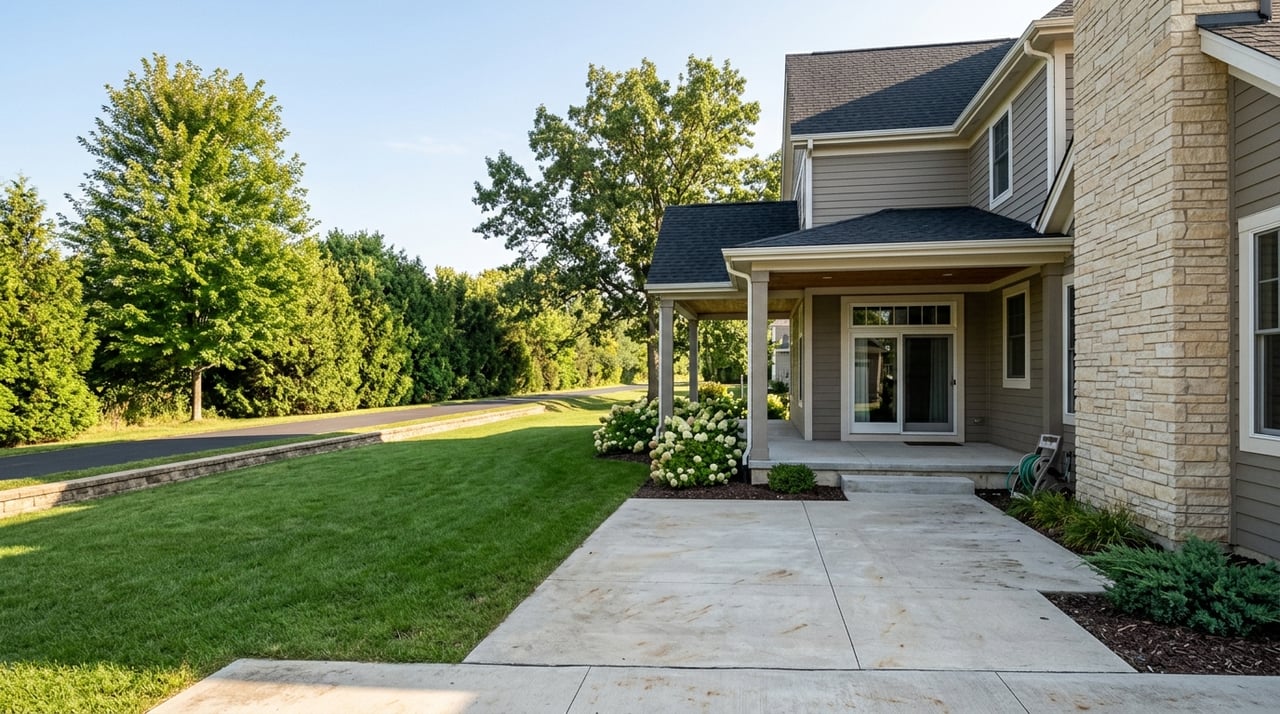
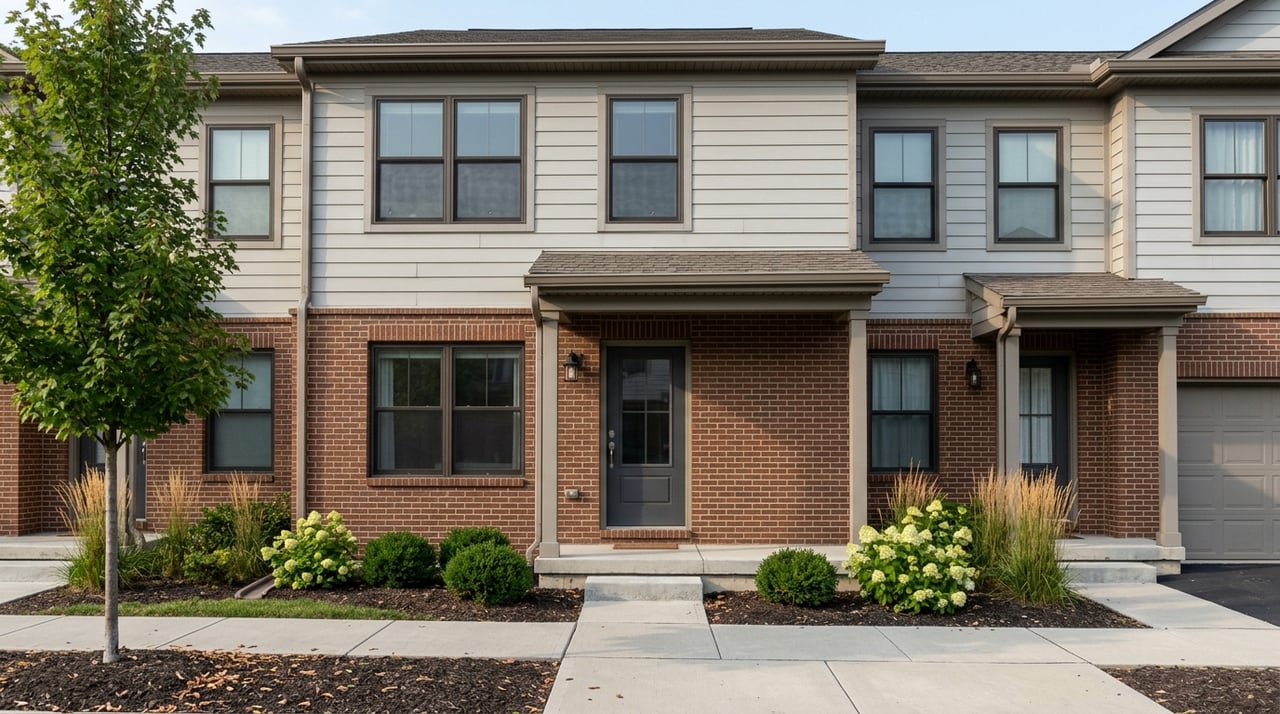
Utica gives first-time buyers a mix of options that you do not always see in a small city footprint. Local planning data shows a housing stock that includes single-family homes, townhouse or attached condo units, apartments, duplexes, and a small number of manufactured homes. That means your search may include everything from older detached homes to attached properties with a different ownership structure.
That mix matters because your monthly cost and maintenance responsibility can look very different from one property type to another. In Utica, attached homes and condos are a real part of the market, not just a backup option. If you stay open to more than one home type, you may give yourself more choices in a market with limited inventory.
Public data also suggests homes can move quickly here. Recent market snapshots reported a median sale price around $231,000, a median listing price around $260,000, about 25 median days on market, and roughly 20 homes for sale at the end of May 2026. For you, that usually means being prepared before the right home hits your screen.
Know what makes Utica homes varied
Utica’s housing stock feels mixed for a reason. The city’s planning documents note that a large share of homes were built in the 1970s, and Utica also has a higher share of homes built before 1940 than Macomb County overall. With few vacant sites left in the city, the result is a search area where older homes, attached units, and redevelopment-era properties can sit close together.
For a first-time buyer, that affects both lifestyle and due diligence. An older detached home may offer a different layout and lot setup than a condo or townhouse, but it may also come with more upkeep. An attached property may simplify some exterior maintenance, but you need to understand dues, rules, and what the association covers.
Get preapproved before touring
One of the smartest first steps is getting preapproved before you start serious showings. Consumer guidance recommends comparing at least three lenders and asking each for preapproval. A preapproval letter shows a lender has reviewed your finances and credit, but it is not a final loan commitment.
Timing matters here too. Preapproval letters often expire in 30 to 60 days, so it usually makes sense to get one when you are ready to shop seriously. In a quicker-moving market like Utica, having that letter ready can help you act faster when a good fit appears.
Build a real monthly budget
Your budget should cover more than the down payment. Your full housing payment can include principal, interest, property taxes, homeowners insurance, mortgage insurance, HOA dues, and sometimes flood insurance. If you focus only on the list price, you can end up shopping outside your real comfort zone.
Closing costs matter too. General mortgage guidance says closing costs typically run about 2% to 5% of the purchase price, separate from your down payment. On a first purchase, that can be one of the biggest surprises if you have not planned ahead.
A practical budget for Utica should include:
- Your target monthly payment
- Down payment funds
- Estimated closing costs
- Cash reserves after closing
- HOA dues, if you are considering condos or townhomes
- A repair cushion, especially if you are looking at older homes
Look into Michigan first-time buyer help
If you are buying your first home, Michigan offers programs worth reviewing early. The Michigan State Housing Development Authority, or MSHDA, offers the MI Home Loan statewide for first-time homebuyers through participating lenders. The program requires a minimum credit score of 640.
MSHDA also offers MI 10K DPA, which can provide up to $10,000 for down payment, closing costs, and prepaid expenses. The program requires homebuyer education through the MSHDA system. If you may qualify, it is worth bringing up with your lender at the start so you can see how it fits your financing plan.
Compare detached and attached costs
In Utica, comparing home types is a key part of buying smart. A detached house and an attached condo may look similar on price, but the ownership costs can be very different. Before you decide what to tour or offer on, make sure you understand both the monthly and long-term tradeoffs.
Focus on a few basics as you compare options:
- What exterior maintenance is your responsibility
- Whether there are HOA dues
- What the HOA covers, if applicable
- Parking setup and guest parking rules
- What features or appliances are included in the sale
This kind of side-by-side review can help you avoid choosing based on list price alone. It also helps you narrow your search faster in a market where timing matters.
Tour with inspection in mind
When you tour homes in Utica, pay close attention to age and condition. Federal homebuying guidance emphasizes getting a home inspection during the purchase process. In a city with a meaningful share of older housing, that step becomes even more important.
As you walk through homes, keep an eye on the types of issues that often matter more in older properties. Areas that may deserve extra attention include:
- Roof condition
- Plumbing systems
- Electrical systems
- Basement moisture
- Signs of deferred maintenance
A showing is not the same as an inspection, but it can help you decide which homes deserve a closer look. A careful tour can save you time, money, and stress later.
Be ready to move fast on offers
If a home checks your boxes, be prepared to move quickly. Public market data points to relatively short market times in Utica, and sellers often want to see a preapproval letter before accepting an offer. That means your preparation work upfront can directly affect your chances later.
This is also where responsive representation matters. Quick scheduling, fast offer drafting, and steady follow-up on documents can help keep momentum on your side. In a low-inventory market, delays can cost you opportunities.
Understand the Michigan closing timeline
Closing is the final step where your home purchase and mortgage come together. When you are using a mortgage, the loan closing and purchase closing usually happen at the same time. Buyers must receive the Closing Disclosure at least three business days before closing.
Typical timing can vary, but consumer mortgage data shows a median of 44 days from application to closing, with many loans closing in about one to two months. For you, that means the process is not instant even after your offer is accepted. There are still inspections, underwriting, title work, and final numbers to review before the keys change hands.
Know a few Michigan-specific closing details
Michigan has a few post-contract details that first-time buyers should understand. Under Michigan law, the seller or grantor is liable for the state real estate transfer tax. State guidance lists the state rate at $3.75 per $500 and the county rate at 55 cents per $500.
In Macomb County, the Register of Deeds charges $30 to record deeds, mortgages, and similar instruments regardless of page count. There is also a Property Transfer Affidavit that must be filed with the local assessing office within 45 days of transfer. These are the kinds of local details that can feel small until closing is near, so it helps to know they are part of the process.
Plan for taxes after closing
Your work is not completely done once you close. In Michigan, property taxes can change after a sale because a transfer of ownership generally causes taxable value to uncap in the following calendar year unless an exemption applies. That can affect future tax bills in a way first-time buyers do not always expect.
If the home will be your principal residence, one of your next steps is usually filing for the Principal Residence Exemption, or PRE, with the local assessor. The PRE is separate from the Homestead Property Tax Credit. The PRE can exempt your principal residence from local school operating millage, up to 18 mills, so it is an important item to handle promptly.
A smart first purchase starts with preparation
Buying your first home in Utica is not just about finding a house you like. It is about matching your budget to the right property type, understanding how quickly the market can move, inspecting carefully, and staying on top of Michigan-specific closing and tax steps. When you prepare for each stage, the process becomes much easier to manage.
If you are starting your search in Utica or nearby Macomb and Oakland County communities, working with a local team can help you move faster and make clearer decisions. For hands-on guidance from search to close, reach out to Joseph Sinishtaj to schedule a consultation.
FAQs
What types of homes can first-time buyers find in Utica?
- Utica has a mix of single-family homes, townhouse or attached condo units, apartments, duplexes, and a small number of manufactured homes, so your search may include both detached and attached options.
How fast do homes sell in Utica, Michigan?
- Recent public market snapshots showed about 25 median days on market in May 2026, which suggests buyers should be ready to act when the right home becomes available.
Why should first-time buyers in Utica get preapproved early?
- A preapproval letter can help you shop with a clearer budget and respond faster when you want to make an offer, and sellers often want to see one before accepting an offer.
What costs should first-time buyers in Utica budget for besides the down payment?
- You should also budget for closing costs, property taxes, homeowners insurance, mortgage insurance if applicable, HOA dues if applicable, and cash reserves for repairs or other post-closing expenses.
Are there Michigan first-time homebuyer programs available for Utica buyers?
- Yes. MSHDA offers the MI Home Loan for eligible first-time buyers through participating lenders, and MI 10K DPA may provide up to $10,000 for down payment, closing costs, and prepaid expenses.
What should first-time buyers inspect carefully in older Utica homes?
- Buyers should pay close attention to the roof, plumbing, electrical systems, basement moisture, and signs of deferred maintenance during the inspection process.
What happens after closing on a home in Utica, Michigan?
- After closing, you should watch for future property tax changes tied to transfer of ownership and, if the home is your principal residence, file for the Michigan Principal Residence Exemption with the local assessor.