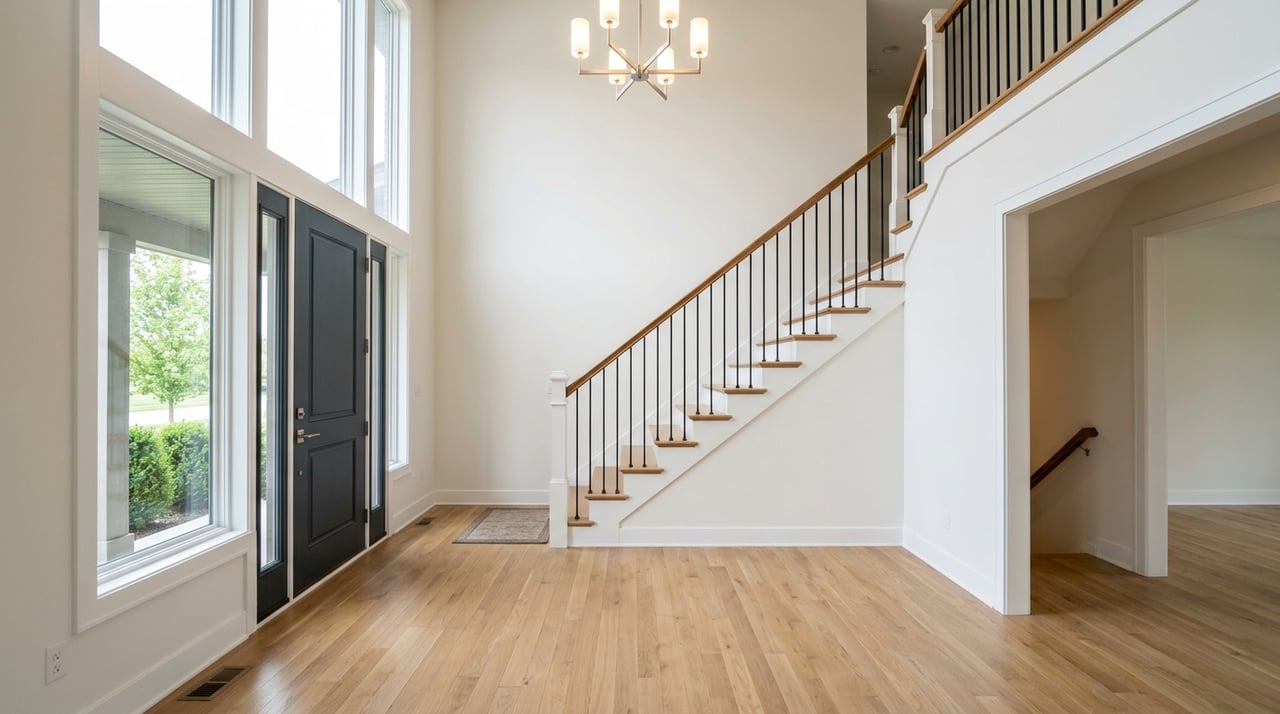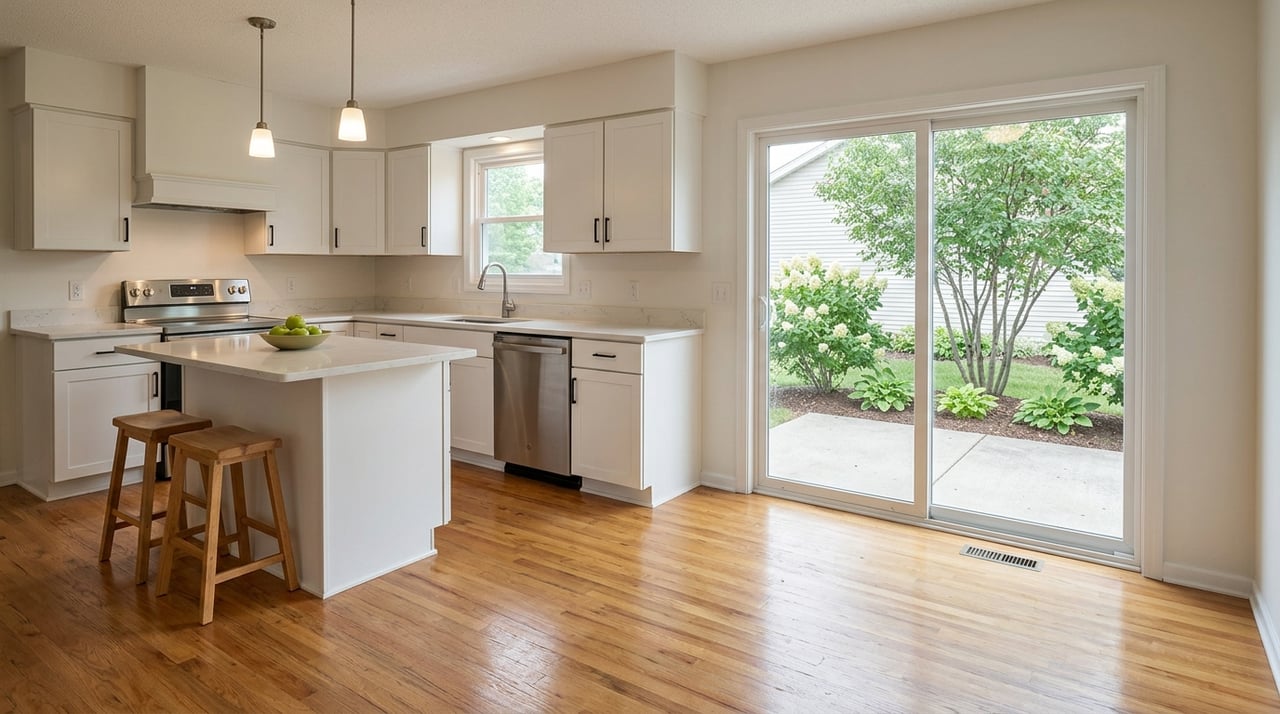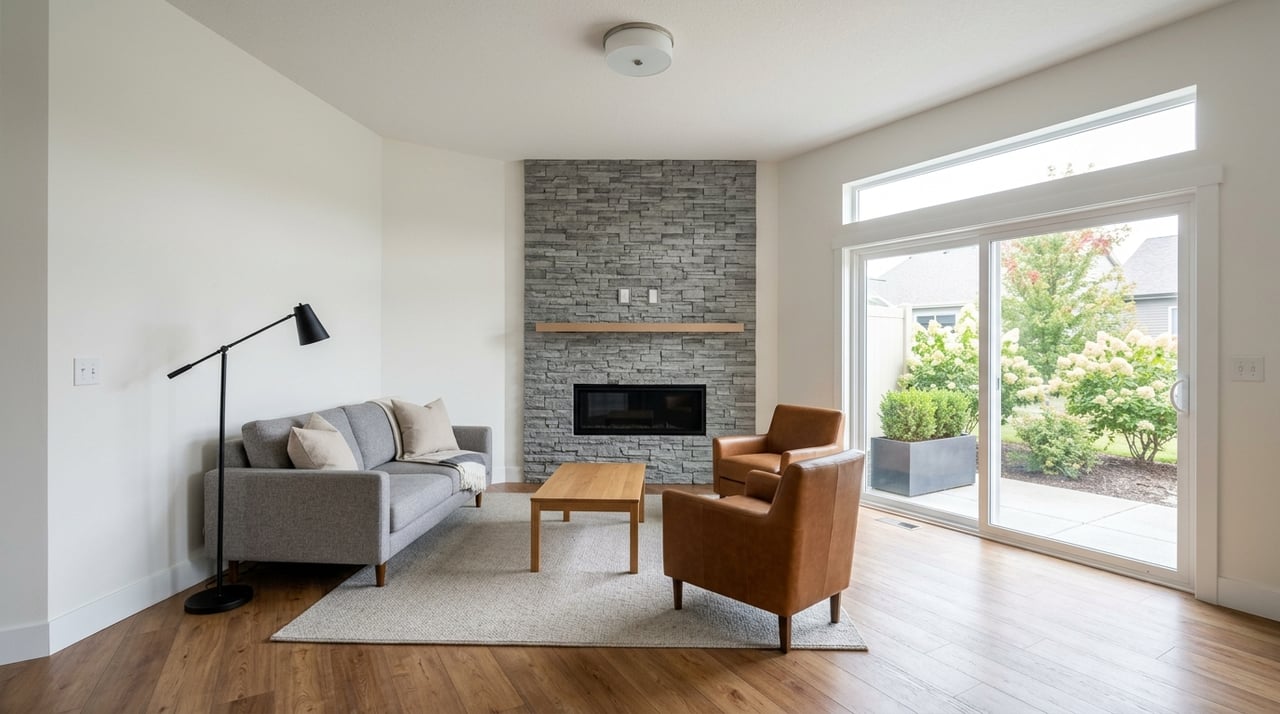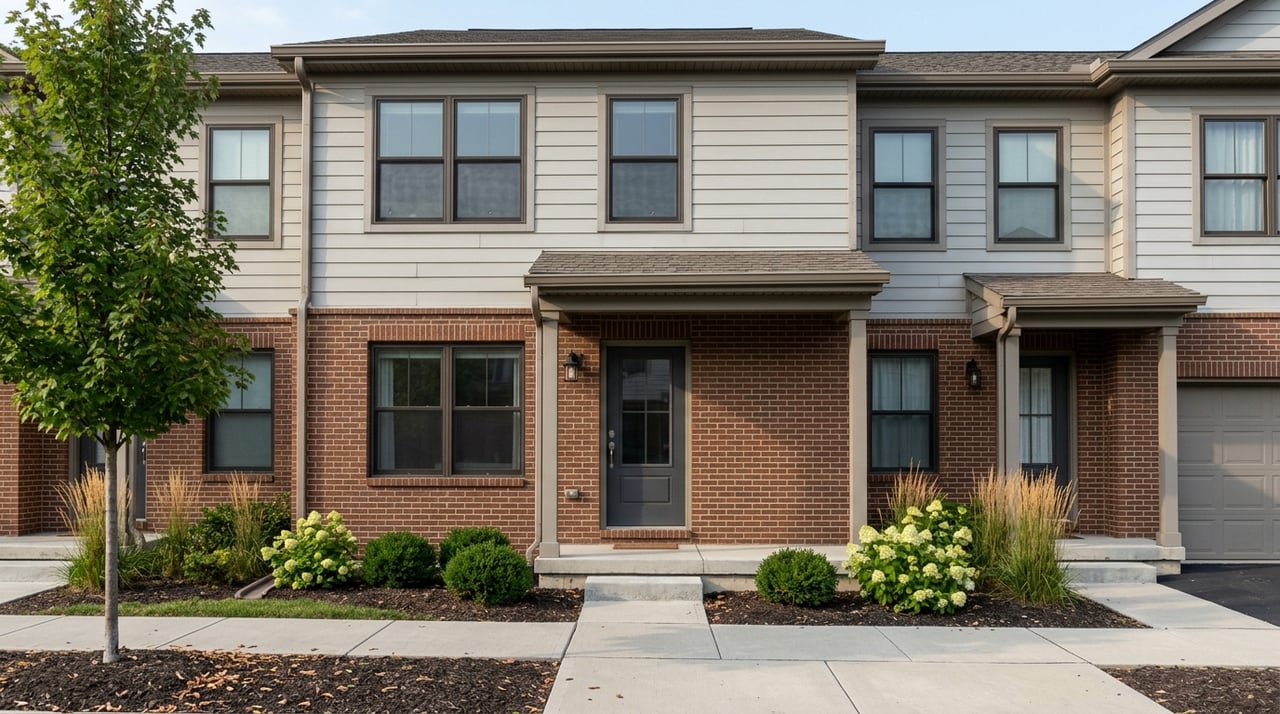
If you are trying to decide between a condo and a house in Troy, you are not alone. The right choice often comes down to how you want to spend your time, what monthly costs you can comfortably handle, and how much privacy and upkeep you want. In this guide, you will get a clear, local look at how condo, townhome, and single-family living compare in Troy so you can make a confident decision. Let’s dive in.
Troy Housing Options at a Glance
Troy offers a mix of attached and detached housing, but single-family homes still make up the largest share of available listings. Current market snapshots show roughly 190 single-family listings, 43 townhomes, and 40 condos. That means you will usually see the most variety in detached homes, while still having meaningful condo and townhome options to consider.
Troy is also a major Oakland County city with strong commuter access and a large employment base. The city has 87,326 residents, about 6,000 businesses, and around 125,000 employees, with convenient access to I-75, I-696, and M-59. For many buyers, that mix of housing choice and location convenience is a big part of Troy’s appeal.
Current pricing also helps frame the decision. Recent market snapshots show a median sale price around $435,739 and a median listing price around $460,000. Homes have also been moving relatively quickly, with about 20 days on market in one current snapshot.
What a Condo Means in Michigan
One of the biggest points of confusion is that a condo is not always a building style. In Michigan, a condominium is a form of ownership, which means a condo can look like an apartment-style unit, a townhome, or even a detached house. That is why the legal documents matter just as much as the exterior appearance.
In fact, Michigan recognizes site condominiums, which are detached single-family homes organized under condo ownership rules. Common elements may include roads, open space, recreation areas, carports, or even certain yard areas. If you are shopping in Troy, a property that looks like a townhome or house may still be legally governed as a condo.
This matters because the master deed and bylaws determine what you own, what the association maintains, and what rules apply. Before you fall in love with a floor plan, make sure you understand the ownership structure. That step can save you from surprises later.
Condo vs Townhome vs House
Condo Living in Troy
A condo usually works best if you want lower day-to-day maintenance and prefer a more predictable approach to exterior upkeep. Association dues often cover services like snow removal, grounds keeping, garbage pickup, and maintenance of shared areas. Some communities also include amenities such as pools, clubhouses, tennis courts, parking areas, or fitness features.
That convenience can be a real advantage if you travel often, have a busy work schedule, or simply do not want to manage as much exterior maintenance yourself. The trade-off is that you will usually have association rules, monthly dues, and less control over certain property decisions. In some cases, you may also have closer proximity to neighbors.
Townhome Living in Troy
A townhome often sits in the middle. You may get more separation and a more house-like layout than a traditional condo, while still sharing some maintenance responsibilities through an association. But in Michigan, a townhome-style property may still legally be a condo, so you should confirm exactly who handles the roof, siding, lawn, driveway, and other exterior items.
For many buyers, this is the best balance between convenience and independence. You may get more privacy than a typical condo and less upkeep than a detached house. Still, the only way to know the true responsibility split is to review the recorded documents.
Single-Family Home Living in Troy
A single-family home is usually the best fit if you want the most privacy, control, and outdoor space. Detached homes generally give you more freedom in how you use and maintain the property. They also tend to avoid monthly association dues unless the property is part of a neighborhood association or site condo structure.
The trade-off is simple: more ownership responsibility. You will likely handle more maintenance, more exterior care, and a wider range of monthly and annual housing costs on your own. For many buyers, that extra responsibility is worth it for the added space and independence.
The Real Monthly Cost Matters Most
A lower purchase price does not always mean a lower cost of living. That is especially true when you compare attached housing with detached homes in Troy. The sticker price is only one part of the decision.
For condos and some townhomes, HOA dues can significantly change your monthly budget. Current Troy listing examples show dues around $240, $345, $378, and $516 per month. One local listing noted that the fee included a clubhouse, tennis, fitness center, pool and hot tub, grounds maintenance, water, snow removal, and structure maintenance.
That kind of package may be worthwhile for some buyers. For others, it may cover services or amenities they do not expect to use very often. The key is to compare what the fee includes against what you would otherwise pay for on your own.
Single-family homes usually shift those expenses directly to you rather than collecting them through an association. A national operating-cost study for owner-occupied detached homes found average annual costs of $9,244, including maintenance, insurance, property taxes, and water and trash. While that is not a Troy-specific number, it is a useful reminder that detached ownership comes with ongoing costs even when there is no HOA bill.
What HOA Fees Really Pay For
When you look at condos or townhomes in Troy, do not treat the HOA fee as just an extra line item. It often pays for real services and long-term property obligations. In Michigan, condo associations are required to maintain reserve funds for major repairs and replacement of common elements, with a minimum amount equal to 10% of the annual budget on a non-cumulative basis.
If additional funds are needed, the association may levy assessments. Monthly fees and assessments can also become a lien on the unit if they are not paid. That is why it is so important to review the association budget, reserve funding, and assessment history before you make an offer.
A good question to ask is not just, “What is the monthly fee?” Ask, “What does the fee cover, how healthy are the reserves, and has the association charged extra assessments in the past?” That gives you a much clearer picture of affordability.
Troy Property Taxes and PRE
If you plan to use the property as your primary residence, the Michigan Principal Residence Exemption, or PRE, is worth understanding. PRE exempts an owner’s principal residence from the local school operating millage, up to 18 mills. To claim it, the owner must file Form 2368 with the local assessor.
In Troy’s 2025 millage schedule, total mills are 36.3054 for PRE properties in the Troy school district and 51.88 for non-homestead properties. That difference is 15.5746 mills. On $100,000 of taxable value, that works out to about $1,557.46 per year, or roughly $129.79 per month.
The practical takeaway is important. A condo, townhome, or single-family home can all potentially benefit from PRE if the property qualifies as your principal residence and you file correctly. In many cases, the bigger monthly difference between attached and detached living comes from HOA dues and included services, not from the tax structure alone.
How to Choose the Right Fit
The best choice depends on your priorities, not just the property type. If you value convenience, lower exterior maintenance, and shared amenities, a condo may make the most sense. If you want a middle-ground option, a townhome may offer a useful balance.
If privacy, yard space, and control matter most, a detached home may be the better long-term fit. Just be ready to budget for repairs, maintenance, insurance, and utilities more directly. Every option can work well when it matches your lifestyle and financial comfort zone.
Here is a simple way to think about it:
- Choose a condo if you want lower-maintenance living and are comfortable reviewing HOA documents carefully.
- Choose a townhome if you want a more house-like layout but still want shared maintenance in some areas.
- Choose a single-family home if you want more independence and are prepared for full ownership responsibilities.
Smart Questions to Ask Before You Buy
No matter which property type interests you, ask for the details early. In Troy, the most important comparison is often the true monthly cost, not just the list price. A careful review now can help you avoid budget surprises later.
Before making an offer, consider asking for:
- The current tax bill
- PRE status or eligibility details
- The HOA or condo packet
- The master deed and bylaws
- The association budget and reserve information
- Assessment history
- Rules on exterior maintenance responsibilities
- Any rental restrictions that may affect future plans
These documents can tell you far more than the listing sheet alone. They help you compare apples to apples across condos, townhomes, and detached homes.
Choosing between condo and home living in Troy is really about choosing the ownership experience that fits you best. If you want a clear, local breakdown of costs, inventory, and trade-offs before you make a move, Joseph Sinishtaj can help you weigh your options and move forward with confidence.
FAQs
What is the difference between a condo and a house in Troy?
- In Troy, a condo is a form of ownership that may include shared maintenance and association rules, while a house usually refers to a detached single-family home with more owner responsibility for upkeep.
Are townhomes in Troy considered condos?
- Sometimes, yes. In Michigan, a townhome-style property may legally be a condominium, so you should review the deed, master deed, and bylaws to confirm ownership structure and maintenance responsibilities.
Are HOA fees in Troy worth it for condo living?
- HOA fees can be worth it if the services and amenities match your needs, especially when they cover items like snow removal, grounds care, water, and structure maintenance.
Can a Troy condo qualify for Principal Residence Exemption?
- Yes. If the condo is your principal residence and you file the required form with the local assessor, it may qualify for Michigan’s Principal Residence Exemption.
What should you review before buying a condo in Troy?
- You should review the master deed, bylaws, budget, reserve fund, assessment history, maintenance responsibilities, current tax bill, and any rules that may affect your use of the property.