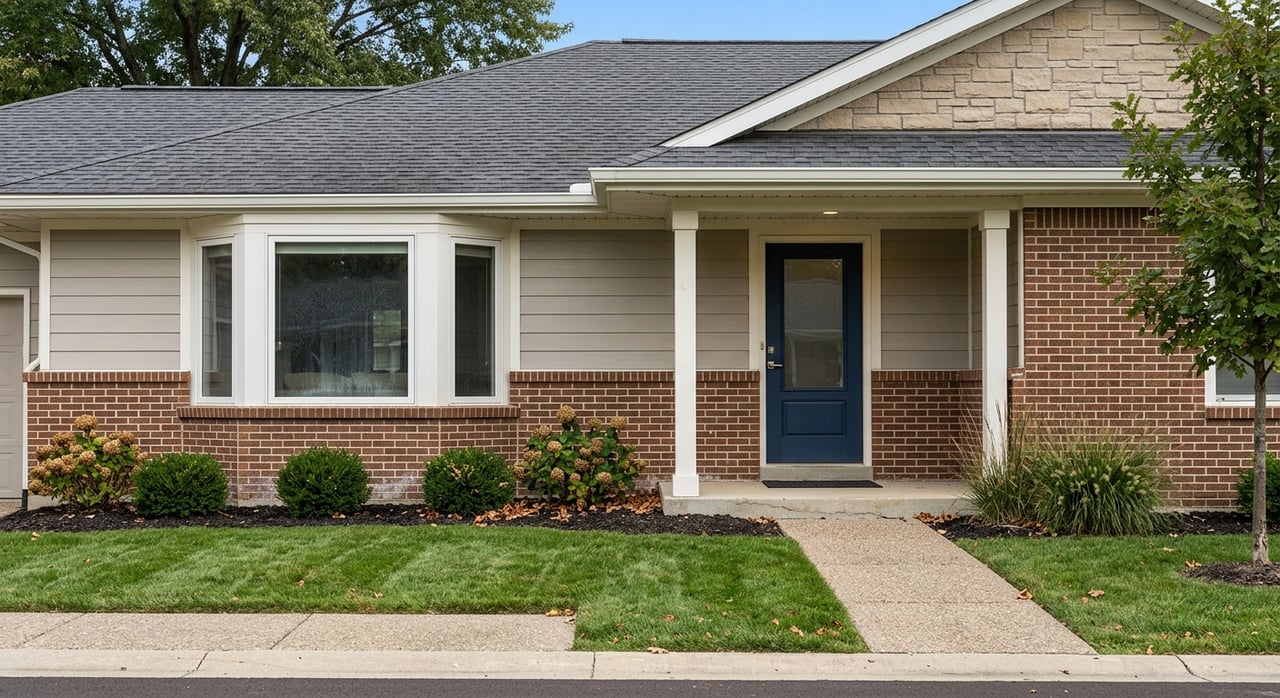
If you are looking at Macomb Township for a rental investment, the big question is simple: will the rent justify the price of the property? This is not a market where you assume strong cash flow just because demand exists. Macomb Township has a large population, high household incomes, and a mostly owner-occupied housing base, so your edge comes from underwriting carefully and buying the right type of property at the right numbers. Let’s break down what matters most before you make a move.
Macomb Township Market Snapshot
Macomb Township is a large suburban community with an estimated 94,302 residents in 2024, according to U.S. Census QuickFacts. The same source shows a 91.4% owner-occupied housing rate, a median owner-occupied home value of $387,000, a median gross rent of $1,379, and a median household income of $120,652.
Those numbers tell you a lot right away. This is not a heavily renter-dominated market. Instead, Macomb Township tends to attract owner occupants, which means rental opportunities can be more selective and property-specific.
Recent market data also points to relatively firm home prices. Zillow’s Macomb housing market page shows a typical home value of $423,207, a median sale price of $390,817, 178 homes for sale, 63 new listings, and a median of 26 days to pending as of March 31, 2026.
Why Investors Still Watch Macomb Township
Even with high home values, Macomb Township still gets attention from investors for a few practical reasons. The area has strong household income levels, a commuter-friendly location, and a housing stock that leans toward detached suburban homes that appeal to renters who want more space.
The township’s average household size is 2.90, and 25.3% of residents are under 18, based on Census data. That points to demand from households looking for functional layouts rather than small apartment-style living.
Employment conditions also support rental stability. In the HUD Comprehensive Housing Market Analysis for the Warren-Troy-Farmington Hills area, unemployment was reported at 3.6% during the 12 months ending July 2024, below the national rate of 3.9%.
Rental Demand Is Real, But Product Matters
One of the biggest mistakes investors make is treating all Macomb-area rental data the same. Township-level numbers and county-level numbers are not interchangeable. The research shows that Macomb Township rents and home values run much higher than Macomb County overall, so you need to comp your deal at the neighborhood and property-type level.
For example, Zillow’s rental market snapshot for Macomb, MI shows an average rent of $1,950, with rents ranging from $1,193 to $3,600 across property types and bedroom counts. At the same time, the report notes that Macomb County overall has much lower average values and rents, which can distort your analysis if you use broad county averages.
HUD also notes that apartment properties are more common in the southern part of Macomb County, while northern areas tend to have more single-family homes and fewer apartments. That matters because Macomb Township is better understood as a suburban detached-home rental market than a commodity apartment market.
Best Rental Property Types in Macomb Township
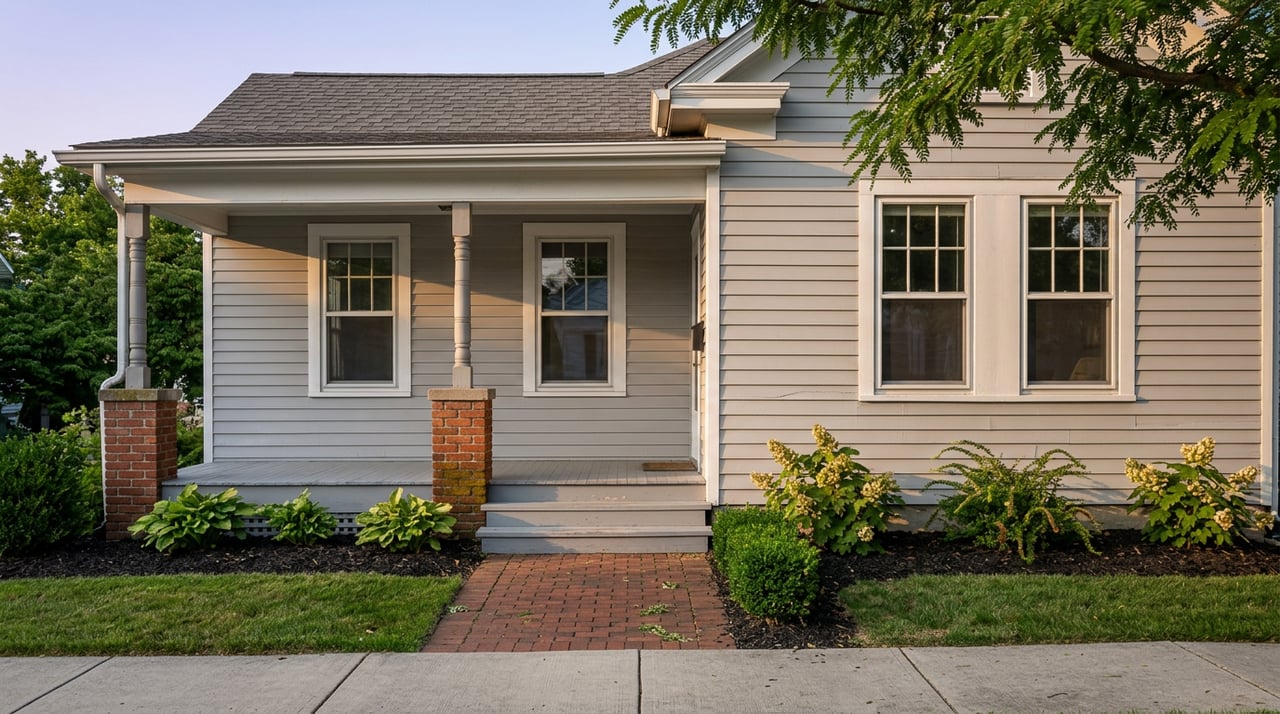
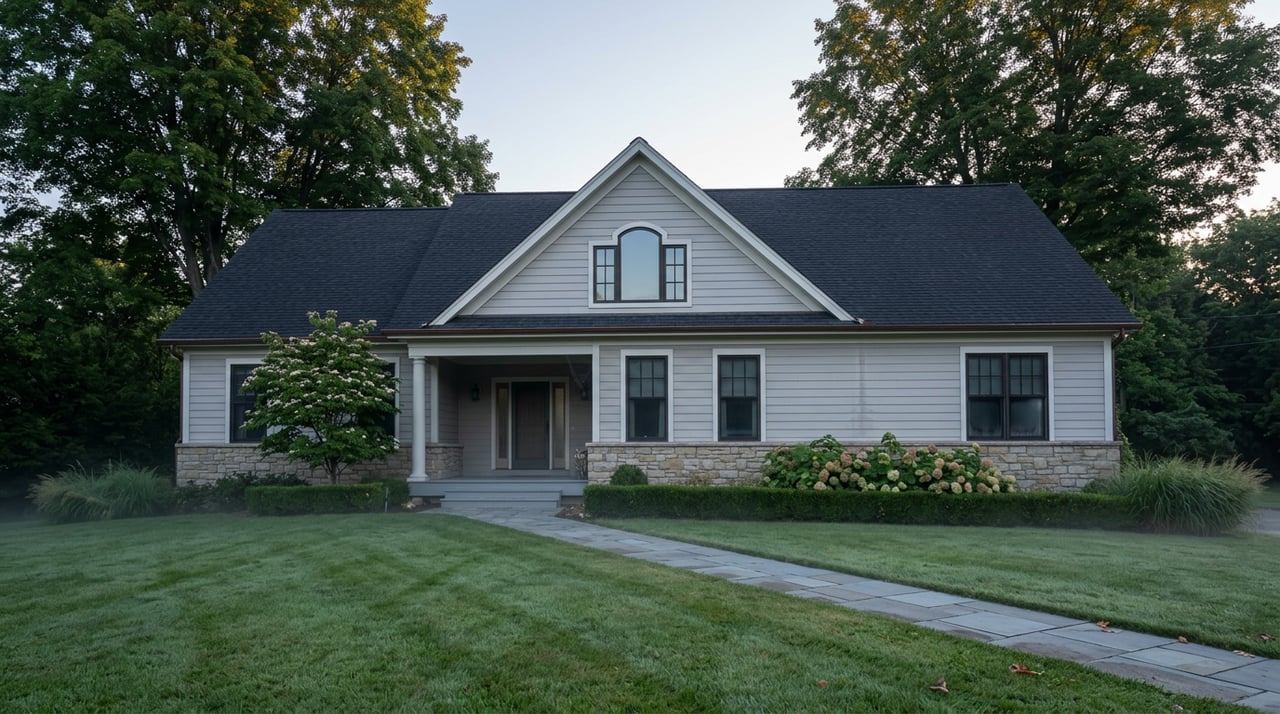
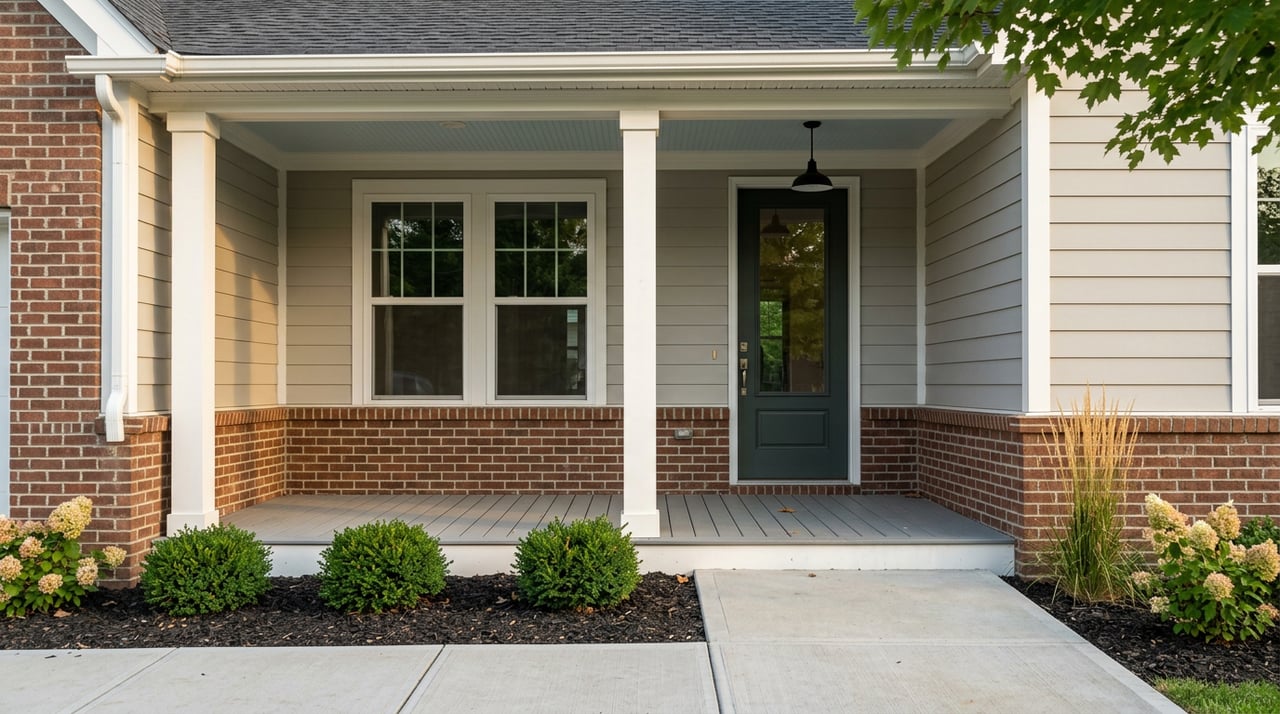
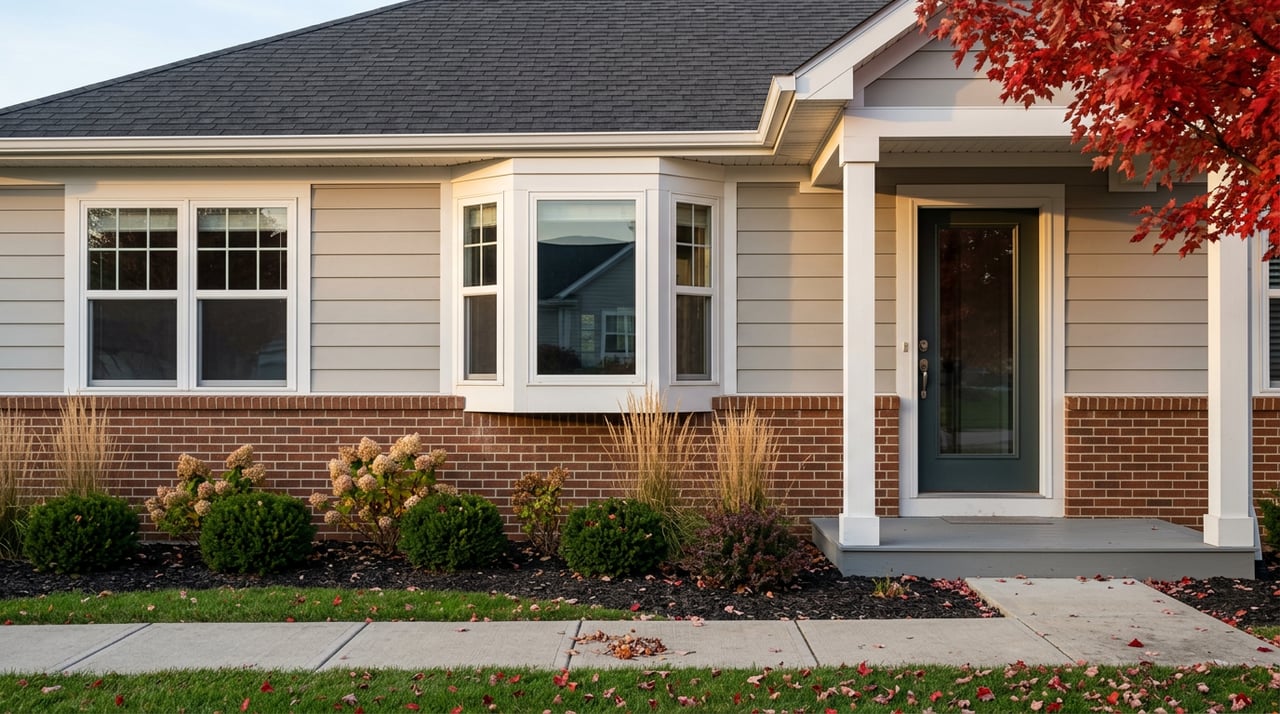
If you are evaluating deals here, the clearest fit appears to be clean, well-located 2- to 4-bedroom suburban homes. Current community listings and local housing patterns show that detached homes dominate much of the product mix.
For example, current Macomb Township community listings show new-construction-style homes in the roughly $413,500 to $511,000 range, typically with 3- to 4-bedroom layouts. That lines up with the broader pattern described in the HUD analysis.
Rental pricing by bedroom count also gives you a more practical screen. According to Zillow’s rental snapshot:
- 1-bedroom: about $1,291
- 2-bedroom: about $1,883
- 3-bedroom: about $1,950
- 4-bedroom: about $1,713
Those figures suggest a few things. First, larger detached homes may not always command a proportionally higher rent. Second, a nicely updated 2- or 3-bedroom home may offer a better rent-to-price relationship than a more expensive 4-bedroom purchase.
How to Evaluate the Numbers
Before you get attached to a property, start with a basic cash-flow screen. The goal is not to predict the deal down to the penny on day one. The goal is to rule out weak opportunities quickly and identify the few worth deeper review.
A simple framework looks like this:
- Gross annual rent = monthly rent × 12
- Gross yield = annual rent ÷ purchase price
- NOI = rent - vacancy - operating expenses
- Cash flow = NOI - debt service
Using current township-level numbers, $1,950 per month on a $423,207 purchase implies a gross yield of about 5.5%. Using Census medians, $1,379 rent on a $387,000 value implies roughly 4.3% gross yield.
That is why Macomb Township is a market where underwriting discipline matters. Gross yield is only a first-pass filter. Your actual return depends on vacancy, insurance, maintenance, financing, possible HOA dues, and especially property taxes.
Taxes Can Change the Deal Fast
In Michigan, rental property tax treatment can materially affect your numbers. The Michigan Principal Residence Exemption guidance explains that the exemption applies only to an owner’s principal residence and can exempt up to 18 mills of school operating tax.
For an investment property, you should model taxes on a non-homestead basis. That means you cannot assume the lower tax treatment an owner occupant may have had. The research also notes that Macomb Township’s treasurer site publishes tax bill information and millage breakdowns, so parcel-specific tax verification should be part of your pre-offer process.
What Makes a Stronger Rental Deal Here
Because price points are relatively high, the cleanest investment thesis in Macomb Township usually falls into one of three buckets.
Buy Below Typical Value
If you can acquire a property below prevailing market value, you create room in your numbers from day one. In a market with moderate gross yields, a better entry price can make the difference between thin cash flow and a workable deal.
Raise Rent Through Improvements
A value-add approach may work if the property already fits what local renters want. Updated finishes, improved condition, and stronger presentation can support higher rent, especially in a market where many renters are looking for suburban single-family housing rather than basic apartment inventory.
Use Financing That Protects Cash Flow
Debt service can make or break returns in a market like this. If your interest rate, down payment, or loan structure pushes your monthly payment too high, even a well-lented property may struggle to produce acceptable cash flow.
Red Flags to Watch
Not every property in Macomb Township makes sense as a rental just because it is in a desirable suburban location. A few warning signs should make you slow down.
County Averages Used as Township Comps
If someone underwrites a Macomb Township property using countywide rent or value numbers without adjusting for location and product type, the analysis may be off. The township sits at a different price and rent level than Macomb County overall.
Oversized Purchase for Modest Rent
A more expensive home does not always produce proportionally stronger rent. The current rent bands suggest that some larger homes may not give you the yield bump you would expect.
Missing Tax Verification
If you skip parcel-level tax research, your projected return may look better on paper than it does in reality. In this market, tax assumptions are too important to gloss over.
A Smarter Way to Compare Opportunities
When you evaluate rental investment opportunities in Macomb Township, focus on a short list of criteria you can compare across deals:
- Purchase price versus realistic market rent
- Bedroom count and layout appeal
- Property condition and update needs
- Non-homestead tax estimate
- Insurance and maintenance expectations
- HOA obligations, if any
- Financing terms and monthly debt service
- Nearby rent comps for similar detached homes
This kind of side-by-side review helps you stay objective. It also helps you avoid overpaying for a property that looks appealing but does not support your target return.
Why Local Guidance Matters
Macomb Township is not a market where broad averages tell the whole story. Small differences in subdivision, housing style, taxes, and rent comps can materially change the outcome of a deal.
That is where local, responsive guidance becomes valuable. You need someone who can help you separate township data from county data, identify the detached-home product that fits your investment goals, and pressure-test the numbers before you commit.
If you are thinking about buying a rental in Macomb Township, working with a local team can help you move faster and underwrite with more confidence. Connect with Joseph Sinishtaj to review opportunities, compare local comps, and build a smarter investment strategy.
FAQs
What makes Macomb Township different from other rental markets in Macomb County?
- Macomb Township has higher home values, higher household incomes, and a more owner-occupied housing base than Macomb County overall, so rental analysis needs to be done at the township and neighborhood level.
What property types tend to fit rental demand in Macomb Township?
- Current data suggests that 2- to 4-bedroom suburban homes, especially detached single-family properties, are the most relevant product type for this market.
What is a quick way to evaluate a rental property in Macomb Township?
- Start by comparing monthly rent to purchase price, then estimate vacancy, operating expenses, non-homestead taxes, and debt service to see whether the property can realistically cash flow.
Why are property taxes so important for rental investing in Macomb Township?
- Rental properties should be modeled without the Michigan principal residence exemption, which can significantly change your annual tax burden and your projected return.
Is Macomb Township a strong cash-flow market for rental investors?
- It can work, but based on current rent-to-price spreads, the best opportunities usually come from buying below market value, improving the property to support higher rent, or using financing that keeps monthly payments manageable.